
Our Animal Programs
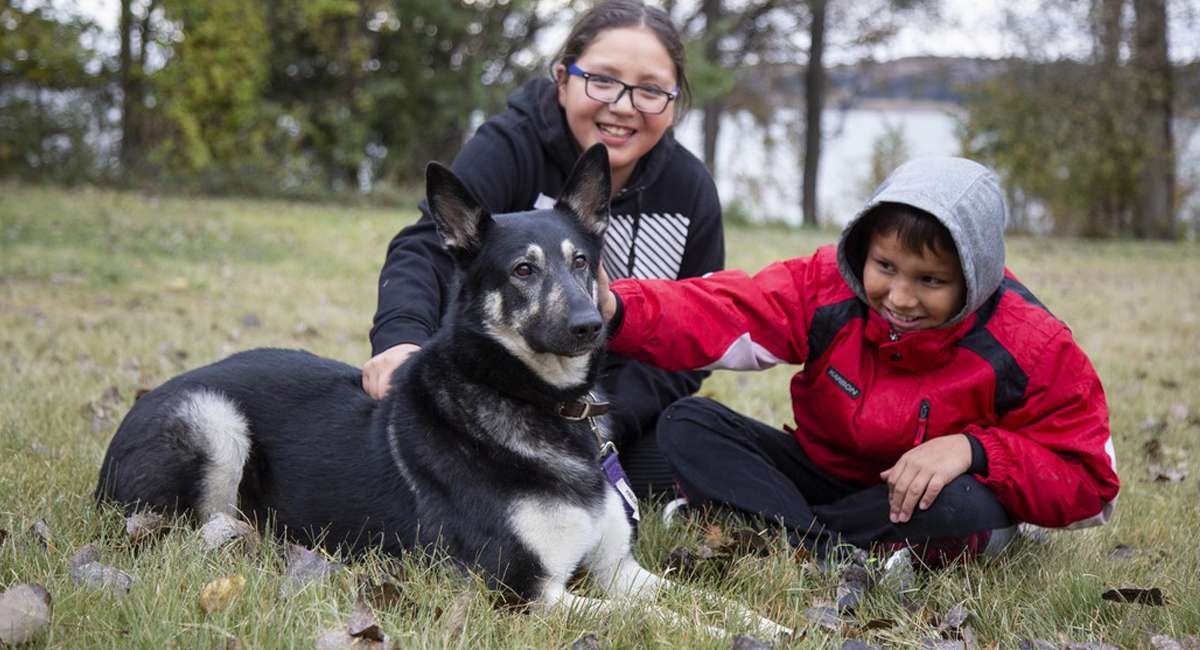
Building Confidence Through Animal Connections
Your child may have the opportunity to build meaningful connections with our companion animals through the Houseparents and Pets In (HAPI) Homes program. These friendly animals help create a warm, welcoming home environment where students can feel comforted, supported, and at ease.
Spending time with companion animals can help your child build confidence, develop empathy and responsibility, and strengthen social and emotional skills. Whether reading with a dog, enjoying quiet companionship, or helping care for an animal, these everyday moments encourage kindness, reduce stress, and create a sense of belonging.
As part of the HAPI Homes program, students also learn what it means to care for an animal. They discover the importance of responsibility, patience, and compassion while participating in age-appropriate care alongside caring adults.
The safety and well-being of every child is our highest priority. All companion animals are owned by trained staff members, carefully screened for their temperament, kept up to date on vaccinations, and approved to be around children. Animals are always supervised, ensuring your child can enjoy these special interactions in a safe and supportive environment.
Equine Therapy
Your child may have the opportunity to experience the healing power of horses through our equine therapy program. For generations, horses have held a special place in Lakota culture, offering strength, connection, and healing. Today, that tradition continues by helping students build confidence, process emotions, and develop healthy coping skills in a calm and supportive environment.
During equine therapy sessions, your child will build trust, practice communication, and strengthen emotional resilience while working alongside trained staff and gentle horses. These meaningful experiences encourage personal growth and help students feel more confident both in and out of the classroom.
Our horses live right here on campus, making it easy for students to participate in therapy sessions and interact with them throughout the year. They also play an important role in campus traditions, including Powwow celebrations, family camps, and other special events, helping students strengthen their connection to Lakota culture while creating lasting memories.